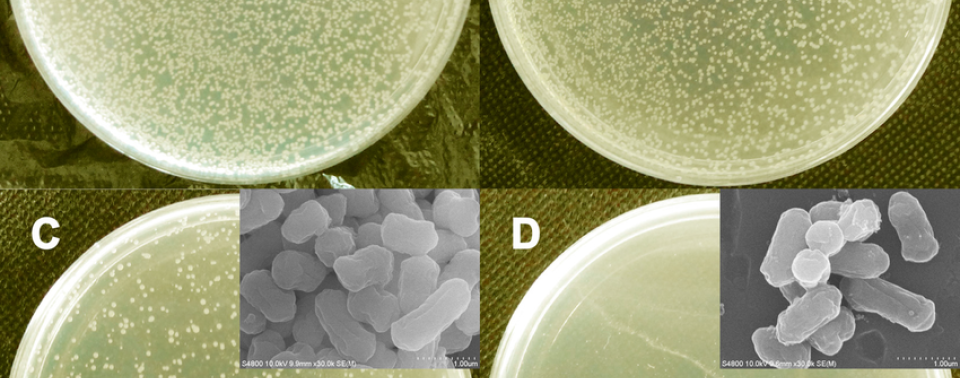
E. coli....The Advancing Killer
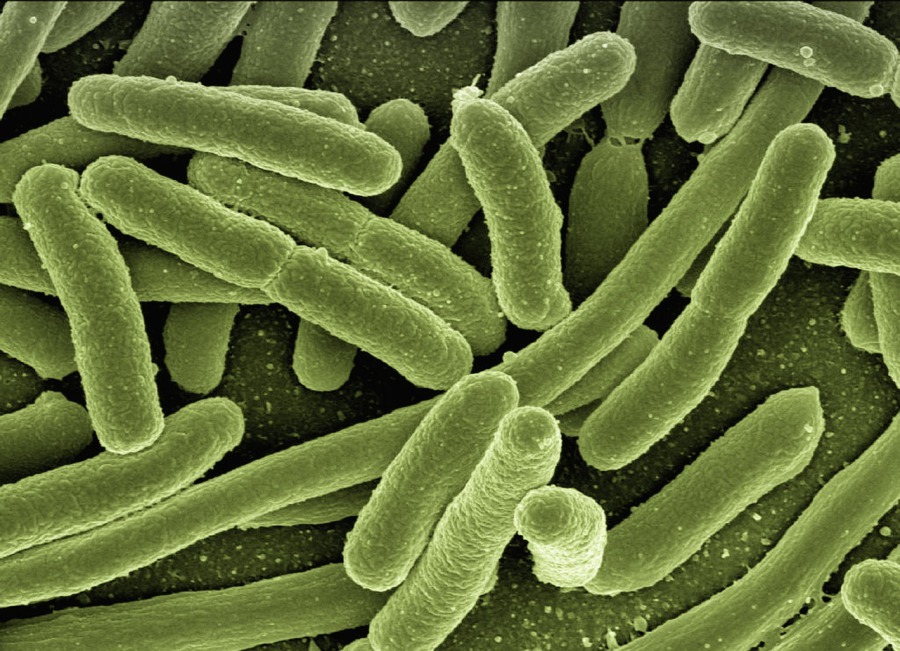
Just how many serotypes and strains of
E. coli are there?
Escherichia coli (E. coli) is a single species, but it is highly diverse with over 700 identified serotypes and at least 11 major pathotypes (strains) that cause disease.
While primarily classified as one species, it includes six main phylogenetic clades (A, B1, B2, D, E, F) and five additional "cryptic" clades.
Key details about E. coli diversity:
Strains/Serotypes: There are hundreds of different strains, often classified by their O, H, and K antigens.
Pathotypes: E. coli is often categorized into 6-11 distinct pathotypes (e.g., ETEC, EPEC) that cause different types of illness.
Phylogroups: Molecular analysis often breaks E. coli into 7-8 major phylogroups (A, B1, B2, C, D, E, F, and clade I/cryptic lineages).
Genomic Diversity: The species has a very high level of genetic diversity, with a large "open" accessory genome.
While they are all considered E. coli for clinical purposes, some researchers argue that the five cryptic clades are distinct enough to potentially be considered separate species.
Because there are so many species, it is difficult to treat. It comes from contaminated water emanating from human waste and various animal waste sources that enter a water stream that is utilized for drinking.
E. coli is found in all countries and requires a proper water treatment process. Water-borne illnesses are part of Water Security; water is life.
We have been working with our partners in the Philippines to provide a better quality of life to the most we can. This is accomplished by working in rural areas to afford people with potable water, and to some that do not have water.
We rehabilitate wells, install rainwater catchment for others, and install anaerobic and anaerobic septic systems, and package plants for larger projects.
This is done because the Philippines being a tropical climate they have in climate weather that possess a danger to water sources. With a vast area of land utilized for agriculture, animal husbandry supported by pigs, cattle and foul, the waste matter from them as well as humane waste is present on land and in water sources.
Here is the News:
E. coli water contamination in the Philippines is a significant issue, with studies indicating high rates of bacterial presence, particularly in rural or post-disaster areas. Key findings show that 44% to 65% of drinking water samples in certain areas are contaminated with E. coli, with nearly 58% of groundwater contaminated overall.
Key Findings on Water Contamination:
Post-Typhoon/Disaster: Studies after Typhoon Haiyan found that 44% of water samples were contaminated with E. coli within three weeks, rising to 65% after 10 months.
Rural vs. Urban: In specific rural areas, such as Los Baños, Laguna, studies found that roughly 10% to 26% of samples from artesian wells (poso) were contaminated with E. coli.
Groundwater: Approximately 58% of groundwater in the Philippines is contaminated, contributing to the high risk.
Consumption Points: In some instances, even water from filling stations and school water dispensers has been found to contain coliform, with some samples failing to meet Philippine National Standards for Drinking Water (PNSDW).
Contributing Factors:
Water Treatment: 78% of households do not treat their water, with 20% relying on sources with high E. coli levels.
Infrastructure: Only 10% of wastewater is treated, and only 5% of the population is connected to a sewer network. This means that human waste is either going onto or into the ground or into a water source.
Chlorination: Roughly 74% of water samples in certain areas do not comply with the minimum residual chlorine level of 0.3mg/L by their national standards.
Worse Yet:
This situation is compounded by the collosal about of plastic pollution on land and predominately surface water sourses.
What To Do If Sick
Contact a doctor immediately if you experience bloody diarrhea, a high fever above 102°, or vomiting so severe you cannot keep liquids down. For milder symptoms, seek medical advice if your diarrhea lasts longer than two days or fails to improve. Symptoms vary from person to person depending on health factors and age
Red Flag Symptoms & When to Seek Care
While mild E. coli symptoms like watery diarrhea and abdominal cramps often resolve on their own, you should seek immediate medical attention if you notice any of the following:
- Bloody Diarrhea: Stools containing bright red blood.
- Severe Dehydration: Dizziness when standing up, extreme thirst, or lack of urination.
- High Fever: A temperature exceeding 102° F or 38.9° C.
- Persistent Vomiting: Inability to keep fluids down.
- Kidney Pain
- Urinary Infection
Timeline to Watch
- Onset: Symptoms typically appear 3 to 4 days after ingesting the bacteria but can show up anywhere from 1 to 10 days later.
- Duration: Most healthy adults recover within 5 to 7 days.
If your symptoms are mild but do not improve within 48 hours, you can also consult urgent care or a hospital.
If you suspect that you are sick with E. coli weather food or waterborne, it is best to take these steps:
Make a detailed log of dates and times when you first suspected the source food or waterborne.
Log your dates and times with symptoms util it clears your system.
Log any witnesses to your illness. This applies to everyone else in the household affected.
Seek medical attention as soon as possible.
Make sure you get a stool sample. PCR (Molecular Testing) just a few hours. A Stool Culture, if the lab needs to grow the bacteria to identify it, it generally takes 24 to 48 hours, though full confirmation can occasionally take 3 to 4 days.
Make sure you get a copy of the results/records from the clinic or hospital and have them send a report to the county or health control board.
You may file your own report to the county or your health control board.
If you can trace it to food notify the place where you purchased it. If waterborne contact your water company and keep records of time and date and the people you spoke to.
 Print
Print 